

Buying Guide
The 5 Best Folding Walking Pads for Small Spaces in 2026
Sep
The 5 Best Folding Walking Pads for Small Spaces in 2026
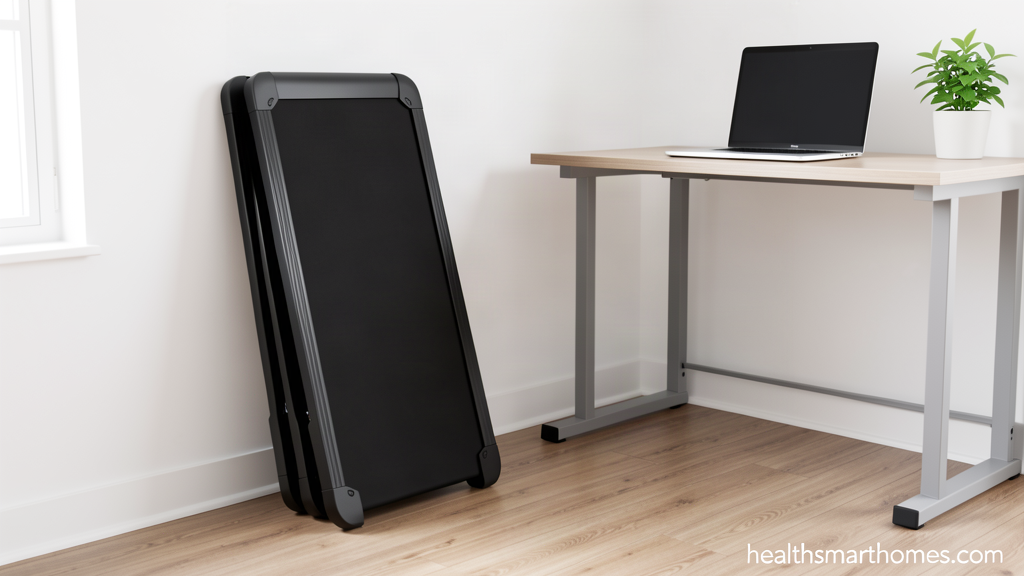
A folding walking pad is a slim, motorized under-desk treadmill whose deck folds in half so it tucks under a bed, sofa, or desk when you are done walking. It stores under 5 inches tall when folded and runs quiet enough for home and office use, making it a practical cardio option for apartments and small home gyms.
Walking is the easiest habit to keep when the machine does not own your floor. That is the whole argument for a folding walking pad. A full-size treadmill needs a dedicated corner, and most people do not have one. A pad that folds to the size of a suitcase changes the math: you walk at your desk in the morning, fold it, and slide it against the wall before dinner.
The catch is that the category is crowded with cheap machines that exaggerate motor strength and skimp on warranty. For this guide we compared deck dimensions, folded footprints, weight limits, motor ratings, control options, and owner feedback across the models that dominate Amazon and specialty fitness stores in 2026. We focused on machines that genuinely fold (not just slim pads), hold up past the first 100 hours, and come from brands with a real support channel.
Best Folding Walking Pads at a Glance
- Best overall: WalkingPad C2 Foldable Walking Pad – folds in half to a 5.4-inch profile, ~$449 on Amazon
- Best value for most homes: DeerRun Q1 Urban Plus – 0.6–3.8 mph, 300–350 lb capacity, often under $180
- Best lightweight pick: WalkingPad Z1 – 2.64-inch deck height and a quiet brushless motor, ~$330–$350
- Best 2-in-1 for walkers who might jog: Goplus 2 in 1 Folding Treadmill – handlebar mode reaches running speeds
- Best budget with incline: 4-in-1 Walking Pad with 15% incline – 2.5 HP motor under $200 when on sale
Why Buy a Folding Walking Pad Instead of a Treadmill?
Space is the main reason, but not the only one. A conventional treadmill weighs 150–300 lb and needs roughly 6 x 8 feet of clearance around it. A folding walking pad weighs 40–75 lb, stores vertically or flat against a wall, and runs at walking speeds (0.6 to 4 mph for most pads, up to 7.6 mph for 2-in-1 models with a raised handlebar).
Quiet operation matters just as much. Most pads in this guide are rated around 40–55 dB, which is quieter than a normal conversation. That makes them workable in an apartment or while a partner takes calls in the next room. A full treadmill with a 2.5 CHP motor is louder and built for running; if jogging is your goal, see our guide to the best treadmills with a handle for safe home workouts instead.
The honest trade-off: walking pads are for walking. Decks run 35–47 inches long, which suits an average stride at 2–3 mph but feels short for taller users. Speed ranges top out around 3.8 mph unless you buy a 2-in-1 with a handlebar, and most have no incline or only a manual riser. Buy one for daily movement and desk walking, not for marathon training.
How We Picked These Folding Walking Pads
We applied five filters before anything made the list:
- True folding design. The deck must fold in half or fold flat to a stored height of 6 inches or less, with wheels or a carry handle.
- Honest motor ratings. We treated peak horsepower claims with suspicion and preferred brushless motors, which run cooler and quieter. None of these pads uses a CHP (continuous horsepower) treadmill rating; 2.0–2.5 HP peak is typical of the category.
- Weight capacity that fits real households. We looked for at least a 220 lb limit and preferred 300 lb.
- Controls beyond a phone app. A physical remote or handlebar controls keep the machine usable when the app updates or the phone dies.
- Warranty and support. One-year coverage is the floor; we flagged brands with US-based support and published spare parts.
We also cross-checked owner reviews for repeated failure points: belts slipping, error codes (E02 through E99 are common on budget pads), and motors that die after a few months. Machines with a consistent defect pattern were dropped even when the price was tempting.
1. WalkingPad C2 Foldable Walking Pad – Best Overall
The WalkingPad C2 is the model other folding pads copy. Its 180-degree fold halves the deck into a 32.5 x 20.4 x 5.4-inch package, small enough to slide under a bed frame or stand in a closet. Unfolded, it measures 56.9 x 20.4 x 4.9 inches with a 2.0 HP motor, a 220 lb weight capacity, and a 1–4 mph speed range controlled by remote or the KS Fit app.
What stands out in use is the noise level. The C2 uses a brushless motor and stays around 40 dB at walking speed, which is why it shows up in so many home-office setups. The LED display tracks time, speed, distance, and calories, and the whole unit weighs 55 lb with transport wheels. KingSmith backs it with a 1-year warranty.
The downsides are real. The 220 lb limit is lower than several rivals, and the deck is better for steady walking than jogging. At about $449 it is also not cheap. For walkers under the weight limit who want the best fold, though, it earns the top spot.
Check the WalkingPad C2 price on Amazon
2. DeerRun Q1 Urban Plus – Best Value for Most Homes
The DeerRun Q1 Urban Plus delivers the essentials at roughly half the price of the C2. It supports up to 350 lb (the frame is rated higher than most pads in this class), runs 0.6–3.8 mph, and weighs about 41 lb with a 45 x 20 x 4.5-inch footprint. The included remote and the PitPat app both control speed, and DeerRun adds a 12-month warranty with a 60-day money-back window.
Where it loses ground: the belt is 35.5 inches long, which is fine for walking but snug for taller users, and there is no incline. The build is lighter than the C2, so very heavy use may feel less solid. For a first pad, or for a desk where you rack up 8,000 steps before lunch, the value is hard to beat – it frequently sells between $150 and $180 on Amazon.
Check the DeerRun Q1 Urban Plus price on Amazon
3. WalkingPad Z1 – Best Lightweight Foldable
The WalkingPad Z1 is the slim sibling in the KingSmith lineup. Its deck sits only 2.64 inches off the ground, which makes stepping on and off feel safer than taller pads, and the brushless motor is genuinely quiet. It folds in half for storage and weighs about 51 lb with wheels.
The Z1 trades the C2’s larger deck for that low profile and a lower price – expect roughly $330–$350 at Amazon versus the C2’s $449. Speed tops out near 4 mph and the 220 lb weight limit matches the C2. If you plan to use the pad under a standing desk all day, the low deck height and quiet motor make it the more comfortable choice.
Check the WalkingPad Z1 price on Amazon
4. Goplus 2 in 1 Folding Treadmill – Best for Walkers Who Might Jog
Not everyone stays at walking speed forever. The Goplus 2 in 1 Folding Treadmill adds a fold-down handlebar, and raising that handlebar lets the machine reach speeds up to 7.6 mph – slow-jog territory. With the bar down it works like a normal under-desk pad. Its 2.25 HP motor and dual display (speed plus workout data) sit above most dedicated pads, and the deck is rated to 265 lb.
The trade-offs are size and weight. At roughly 75 lb with a running area of 42.5 x 16.5 inches, this is a bigger, heavier machine than the pads above, and it costs around $260–$300. If your space can absorb the extra footprint and you want one machine that covers walking now and jogging later, it is the smarter buy. If you already have a treadmill for running, stick with a lighter pad.
Check the Goplus 2 in 1 price on Amazon
5. 4-in-1 Walking Pad with 15% Incline – Best Budget with Incline
Incline is the feature that separates a walk from a workout, and this budget 4-in-1 pad is one of the few under $200 with a real incline. The 15% auto-incline (in most configurations) plus a 2.5 HP motor and speeds up to roughly 4 mph make it possible to hike uphill while the TV plays. Foldable deck and remote control are included.
Expect compromises at this price: the frame feels lighter than DeerRun or KingSmith units, the app is basic, and long-term durability reports are mixed. It makes sense as a starter machine or a second pad for a cabin or office. Prices swing with promotions, so it often lands between $100 and $200 – check the current listing before buying.
Check the 4-in-1 walking pad price on Amazon
Folding Walking Pad Comparison
| Model | Folded Size | Speed | Weight Limit | Motor | Typical Price |
|---|---|---|---|---|---|
| WalkingPad C2 | 32.5 x 20.4 x 5.4 in | 1–4 mph | 220 lb | 2.0 HP | ~$449 |
| DeerRun Q1 Urban Plus | ~45 x 20 x 4.5 in | 0.6–3.8 mph | 350 lb | 2.5 HP peak | ~$150–$180 |
| WalkingPad Z1 | Folds in half | Up to ~4 mph | 220 lb | Brushless | ~$330–$350 |
| Goplus 2 in 1 | Folds with handlebar | Up to 7.6 mph | 265 lb | 2.25 HP | ~$260–$300 |
| 4-in-1 with 15% incline | Foldable deck | Up to ~4 mph | ~265–300 lb | 2.5 HP | ~$100–$200 |
Two patterns stand out in the table. First, every pad here is a walking machine first; the only jog-capable option is the Goplus 2-in-1 with its raised handlebar. Second, price correlates with motor quality and weight limit more than with folded size, so set your budget before you fall for a slim silhouette.
How to Choose the Right Folding Walking Pad
Check the folded height, not just the marketing photo
Manufacturers love a pad leaning against a wall in a staged living room. What matters is the folded height and length: under 6 inches tall and under 40 inches long fits under most beds and sofas. Measure your storage spot before ordering. A 47-inch deck that folds to 40 inches still will not fit a 36-inch gap.
Match the weight limit to the heaviest user
Buy for the largest person who will use the pad, not the average. A 220 lb limit is fine for one walker; a family sharing the pad should look for 300 lb. The DeerRun Q1 Urban Plus (350 lb) is the standout in this list for shared households.
Ignore peak horsepower; check the motor type
Peak HP numbers are marketing. Budget pads quote 2.0–2.5 HP peak, and a brushed motor at that rating will run hotter and louder than a brushless motor at the same figure. Brushless motors cost more and last longer – that is why KingSmith and DeerRun highlight them.
Keep the controls simple
App-only control is a trap: when the app breaks or the phone is not around, you lose speed adjustment. Buy a pad with a physical remote or handlebar buttons. Every pick in this guide has one.
Verify the warranty and return window
One year is the floor for parts and labor in this category. DeerRun’s 60-day money-back guarantee is the most generous we found; KingSmith’s 1-year warranty is standard. Avoid no-name pads with no published support address.
How to Set Up and Use a Folding Walking Pad
- Unfold on a hard, level floor. Lift the deck until the hinge locks flat. Do not run the pad on thick carpet; blocked air vents cause motors to overheat.
- Plug into a grounded outlet and power on. Give the machine 30 seconds to initialize before stepping on.
- Start at the lowest speed and hold the remote. Step on only after the belt is moving slowly, and keep your eyes ahead rather than down at the display.
- Build time before speed. Begin with 10–15 minute sessions at 1.5–2 mph under a desk, then add 5 minutes a week. Stop if your stride shortens or your shoulders creep up.
- Lubricate monthly and store folded. Apply the included silicone oil under the belt edges every 30 days or after 30 hours, wipe the deck, fold it, and roll it out of the walkway.
If your home office desk is the real driver here, our roundup of the best walking pad treadmills for home office use covers desk-height machines with a bit more detail on ergonomics. And if you are furnishing a small apartment gym around a pad, the best small exercise bikes for apartments pair well when you want seated cardio on rest days.
Frequently Asked Questions
Are folding walking pads worth it?
Yes, for most desk workers and apartment dwellers, because a pad you can fold and store actually gets used. Studies on incidental walking consistently show that convenience drives adherence, and a 40–55 lb pad that lives under the sofa removes the biggest barrier to daily walking. They are not replacements for running treadmills.
How fast can a folding walking pad go?
Most dedicated folding walking pads top out between 3.8 and 4 mph, which suits brisk walking. Two-in-one models with a raised handlebar, like the Goplus 2 in 1, reach 7.6 mph for light jogging. True running needs a full treadmill with a CHP-rated motor and a longer deck.
How much weight can a folding walking pad hold?
Weight limits in this category range from 220 lb on the WalkingPad C2 and Z1 up to 350 lb on the DeerRun Q1 Urban Plus. Most 2-in-1 models with handlebars are rated around 265 lb. Always buy for the heaviest person who will use the machine.
Do walking pads damage hardwood floors?
Not directly, but vibration over months can scuff finishes. A thin equipment mat under the pad protects the floor, reduces noise transfer to the floor below, and keeps dust out of the motor vents. Skip thick carpet, which blocks airflow and overheats the motor.
{“@context”:”https://schema.org”,”@type”:”FAQPage”,”mainEntity”:[{“@type”:”Question”,”name”:”Are folding walking pads worth it?”,”acceptedAnswer”:{“@type”:”Answer”,”text”:”Yes, for most desk workers and apartment dwellers, because a pad you can fold and store actually gets used. A 40-55 lb pad that lives under the sofa removes the biggest barrier to daily walking. They are not replacements for running treadmills.”}},{“@type”:”Question”,”name”:”How fast can a folding walking pad go?”,”acceptedAnswer”:{“@type”:”Answer”,”text”:”Most dedicated folding walking pads top out between 3.8 and 4 mph, which suits brisk walking. Two-in-one models with a raised handlebar reach 7.6 mph for light jogging. True running needs a full treadmill with a CHP-rated motor and a longer deck.”}},{“@type”:”Question”,”name”:”How much weight can a folding walking pad hold?”,”acceptedAnswer”:{“@type”:”Answer”,”text”:”Weight limits range from 220 lb on the WalkingPad C2 and Z1 up to 350 lb on the DeerRun Q1 Urban Plus. Most 2-in-1 models with handlebars are rated around 265 lb. Buy for the heaviest person who will use the machine.”}},{“@type”:”Question”,”name”:”Do walking pads damage hardwood floors?”,”acceptedAnswer”:{“@type”:”Answer”,”text”:”Not directly, but vibration over months can scuff finishes. A thin equipment mat protects the floor, reduces noise transfer, and keeps dust out of the motor vents. Skip thick carpet, which blocks airflow and overheats the motor.”}}]}{“@context”:”https://schema.org”,”@type”:”HowTo”,”name”:”How to Set Up and Use a Folding Walking Pad”,”step”:[{“@type”:”HowToStep”,”position”:1,”name”:”Unfold on a hard, level floor”,”text”:”Lift the deck until the hinge locks flat. Do not run the pad on thick carpet; blocked air vents cause motors to overheat.”},{“@type”:”HowToStep”,”position”:2,”name”:”Plug in and power on”,”text”:”Plug into a grounded outlet and give the machine 30 seconds to initialize before stepping on.”},{“@type”:”HowToStep”,”position”:3,”name”:”Start at the lowest speed”,”text”:”Step on only after the belt is moving slowly, and keep your eyes ahead rather than down at the display.”},{“@type”:”HowToStep”,”position”:4,”name”:”Build time before speed”,”text”:”Begin with 10-15 minute sessions at 1.5-2 mph, then add 5 minutes a week. Stop if your stride shortens.”},{“@type”:”HowToStep”,”position”:5,”name”:”Lubricate monthly and store folded”,”text”:”Apply silicone oil under the belt edges every 30 days or after 30 hours, wipe the deck, fold it, and roll it out of the walkway.”}]}