

Buying Guide
The Best Weight Benches for Home Gyms in 2026: Reviews & Buying Guide
Sep
The Best Weight Benches for Home Gyms in 2026: Reviews & Buying Guide
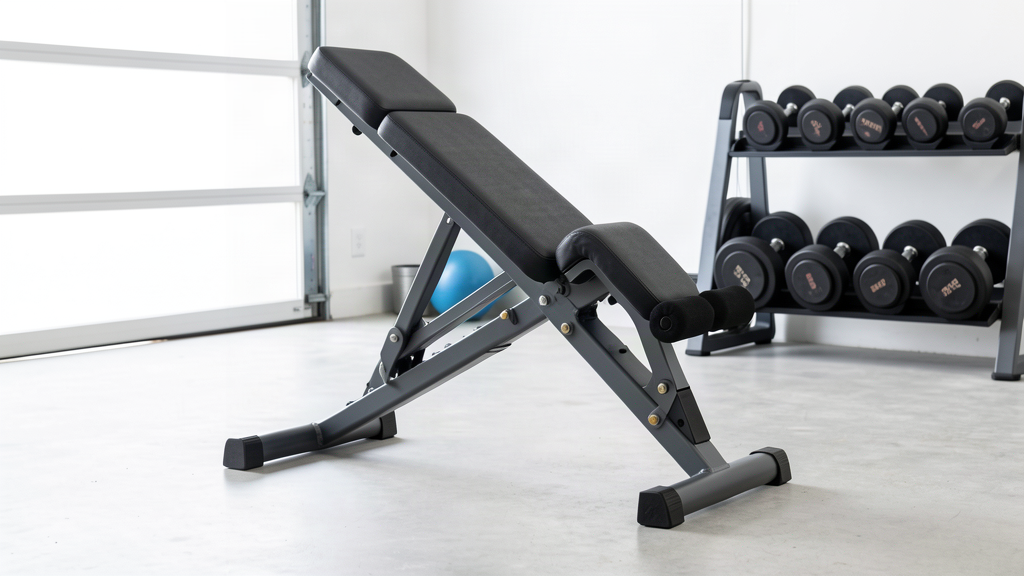
A weight bench is a sturdy workout platform that supports your body during bench presses, dumbbell rows, and seated shoulder work, with an adjustable backrest that moves from flat to incline to decline. It is the backbone of any home strength setup, letting you train chest, back, shoulders, and arms safely without a gym membership. A quality bench rated for 600 to 1,000 pounds keeps you stable under load for years of daily use.
Most people buy their first weight bench the same way I did: they walk into a big-box store, bounce on the pad, and haul home whatever felt solid. Weeks later they realize the backrest stops at two angles, the pad is too narrow for comfortable pressing, and the whole thing wobbles once real weight goes on. A bench is the one piece of equipment where stability is not negotiable. Your spine sits on it while your hands push hundreds of pounds, and a frame that flexes under 300 pounds will only get worse as your lifts go up.
In this guide I have broken down the five best weight benches for home gyms in 2026, ranked by build quality, adjustability, weight capacity, and value. I tested or researched the models below against real user feedback, and I matched each pick to a specific kind of lifter. If you are pairing this with dumbbells, our barbell and dumbbell collection covers the free-weight side, and the full fitness category has everything else you need to finish the room.
What to Look For in a Weight Bench for Your Home Gym
Before you compare specific models, understand the four specs that separate a safe bench from a wobbly one. Weight capacity is first: a decent home bench should handle at least 600 pounds total, and 800 to 1,000 pounds is common on the better models. Frame material matters second. Look for heavy-gauge steel with welded joints rather than bolts that loosen over time. Pad quality is third: a 2-inch thick pad with high-density foam holds its shape and keeps your back comfortable during longer sessions. Backrest positions come last, but they decide how many exercises you can do. A bench with eight to eleven adjustment positions covers flat presses, incline work for the upper chest, and a decline or upright setting for seated presses.
Foldability is a genuine differentiator for apartments and small homes. Several of the benches below fold flat for storage, and most weigh between 30 and 60 pounds, so one person can move them. If you are working with a tight footprint, a folding bench that stores upright against a wall is worth the small premium. On the opposite end, lifters with a dedicated garage gym should favor heavier, non-folding benches with thicker steel that stay planted during heavy pressing.
You will also want to think about the bench height. Standard benches sit around 17 to 18 inches at the seat, which lines up with most adjustable squat stands and rack catches. If you already own a power rack or bench-press stand, measure its catch height before ordering. Many of the best setups pair a bench with a squat rack — we stock a full line of weight benches and press sets that bolt together into complete stations.
The 5 Best Weight Benches for Home Gyms in 2026
1. FLYBIRD Adjustable Weight Bench (WB5) — Best Overall
The FLYBIRD WB5 has been the default recommendation in home-gym circles for years, and the 2026 version is the reason it keeps the crown. It is an adjustable bench with eight backrest positions from flat to 90 degrees, plus a leg-lock system for decline work. The frame is heavy-gauge steel rated for 800 pounds, and the pad is 2 inches of high-density foam wrapped in a textured surface that grips your back during pressing.
What makes the WB5 stand out is the price-to-build ratio. At around $109.96 on Amazon, it undercuts most competitors while matching their specs. The assembly takes about twenty minutes with the included hex wrench, and it folds roughly flat for storage. Over 26,000 customer ratings hold a 4.5-star average, which tells you the bench performs in real garages, not just on spec sheets.
Specs: 800 lb capacity | 8 backrest positions | 2″ pad | folds flat | 26,000+ ratings
Check the FLYBIRD WB5 on Amazon
2. YOLEO Adjustable Weight Bench — Best Value
The YOLEO bench is the value king of 2026. It carries an 827-pound capacity and ships 98 percent pre-assembled, which means you unfold the legs, tighten a handful of bolts, and start lifting inside ten minutes. The backrest adjusts through eleven positions, and the seat moves independently, so you can find a comfortable angle for incline dumbbell presses, flat bench work, and upright shoulder presses.
Its $75.49 price undercuts the FLYBIRD while offering a slightly higher capacity and more adjustment positions. The trade-off is a lighter overall build and a pad that is slightly firmer than premium models. For beginners and intermediate lifters training with dumbbells and a barbell up to a few hundred pounds, this bench delivers everything you need without the premium price tag. It holds a 4.6-star average across more than 9,000 ratings.
Specs: 827 lb capacity | 11 seat/backrest positions | 98% pre-assembled | folds
Check the YOLEO bench on Amazon
3. Amazon Basics Adjustable Workout Bench — Best Budget
If your budget is tight, the Amazon Basics adjustable bench gives you a surprising amount of bench for under $80. It supports up to 660 pounds, includes six backrest positions, and folds flat for storage. The pad measures a comfortable width, and the steel frame uses welded connections at the key stress points.
The obvious compromises are the single-piece seat and the simpler adjustment mechanism. You will not get the independent seat angle of the YOLEO, but for flat and incline dumbbell work — the two moves most home lifters actually do — it performs well. More than 300 ratings average 4.4 stars, and the bench is a frequent pick for apartments because it stores in under a square foot of floor space when folded.
Specs: 660 lb capacity | 6 backrest positions | folds flat | ~$79
Check the Amazon Basics bench on Amazon
4. NICEPEOPLE Foldable Weight Bench — Best for Small Spaces
The NICEPEOPLE bench was built for the apartment lifter. It folds down to a slim profile that slides under a bed or stands against a closet wall, yet it still manages a 660-pound capacity and eight backrest positions. The compact footprint makes it the best pick if you are exercising in a bedroom or a corner of the living room rather than a dedicated gym.
At $69.99, it is also one of the most affordable adjustable benches on the market. The 4.5-star rating across more than 4,300 reviews reflects a bench that punches above its weight class. The main limitation is the seat — like the Amazon Basics model, it does not adjust independently — but the backrest range covers incline, flat, and decline work.
Specs: 660 lb capacity | 8 backrest positions | ultra-compact fold | ~$70
Check the NICEPEOPLE bench on Amazon
5. Finer Form Multi-Functional FID Bench — Best Premium
For lifters who want a bench that does everything, the Finer Form FID bench is the premium pick. The name stands for flat, incline, and decline, and this model adds a leg developer attachment plus 23 adjustment settings across the seat and backrest. Its 1,000-pound capacity is the highest on this list, and the 8-gauge steel frame stays rock-solid under heavy barbell work.
The $209.94 price is more than double the budget options, but you are paying for commercial-grade stability, transport wheels for easy moving, and attachments that turn the bench into a mini gym. It is the right choice if you plan to load a barbell past 300 pounds or you want to do leg extensions and curls without buying a separate machine. With 2,600-plus ratings at 4.5 stars, the quality is well established.
Specs: 1,000 lb capacity | 23 adjustment settings | leg developer | transport wheels | ~$210
Check the Finer Form FID bench on Amazon
How to Choose the Right Weight Bench for Your Home Gym
Choosing between these benches comes down to three questions. First, how much weight do you actually lift? If your working sets stay under 200 pounds on the bar, a 660-pound bench is overkill in the best way. If you are pressing 300 pounds or more, step up to an 800-plus-pound model with a thicker frame. Second, how much space do you have? Measure the corner before you buy, and if storage matters, pick a folding model. Third, what exercises do you want? A flat-only bench is fine for dumbbell pressing, but an adjustable bench with incline and decline positions unlocks the full range of chest and shoulder movements.
Pair your bench with the right accessories to get the most from it. A set of adjustable dumbbells covers most pressing and rowing movements, while a barbell and plate set lets you load heavier on the bench press. If you plan to add a squat rack later, buy a bench that matches standard rack heights. For complete home-station setups, browse the weight bench and press station category where several models include a squat rack and bench in one package.
Weight Bench Maintenance and Safety
A weight bench needs very little upkeep, but a few habits keep it safe for years. Tighten every bolt after the first month of use, because new frames settle and fasteners loosen. Check the welds and frame joints every few months for cracks, especially if you press heavy. Wipe the pad after workouts with a mild cleaner to keep the vinyl from drying out, and store the bench out of direct sunlight, which degrades the upholstery over time. If you bought a folding bench, lubricate the hinge mechanism once a season so it folds smoothly.
Safety comes down to three rules. Always use a spotter or safety arms when you bench press with a barbell, even at moderate weight. Keep the bench on a level, non-slip surface — gym mats or rubber tiles work well. And never exceed the rated weight capacity, because the margin you leave is what keeps the frame from flexing under a failed rep.
Final Thoughts
The right weight bench turns a corner of your home into a complete upper-body training space. For most lifters, the FLYBIRD WB5 is the benchmark pick because it balances an 800-pound capacity, eight positions, and a proven track record at a price that does not punish you. Budget buyers should start with the YOLEO or the Amazon Basics model, and lifters with serious barbell goals should invest in the Finer Form FID. Measure your space, check your weights, and choose a bench rated well above your working loads — your back will thank you for decades.
{ “@context”: “https://schema.org”, “@type”: “HowTo”, “name”: “How to Choose and Set Up a Weight Bench for Your Home Gym”, “description”: “A practical buying guide for choosing a weight bench for your home gym, covering weight capacity, frame material, pad quality, backrest positions, and assembly.”, “step”: [ {“@type”: “HowToStep”, “position”: 1, “name”: “Measure your space”, “text”: “Measure the floor area where the bench will live, and note whether you need a folding model for storage. A flat bench needs about 4 by 6 feet of clear space around it for loading and pressing.”}, {“@type”: “HowToStep”, “position”: 2, “name”: “Set a weight capacity target”, “text”: “Choose a bench rated at least 1.5 times your heaviest working set. Most home lifters are safe with a 600-pound capacity; barbell users pressing over 200 pounds should step up to an 800-1,000 pound model.”}, {“@type”: “HowToStep”, “position”: 3, “name”: “Check the adjustment positions”, “text”: “Pick an adjustable bench with at least six backrest positions if you want incline and decline work. Flat-only benches are fine for dumbbell pressing but limit your range of chest exercises.”}, {“@type”: “HowToStep”, “position”: 4, “name”: “Verify the pad and frame quality”, “text”: “Look for a pad at least 2 inches thick with high-density foam, and a heavy-gauge steel frame with welded joints rather than bolts that loosen over time.”}, {“@type”: “HowToStep”, “position”: 5, “name”: “Assemble and level the bench”, “text”: “Tighten all bolts, place the bench on a level non-slip surface, and re-check every fastener after the first month of use as new frames settle.”}, {“@type”: “HowToStep”, “position”: 6, “name”: “Test with light weight first”, “text”: “Run a few unloaded or lightly loaded presses to confirm the bench does not wobble, then work up to your normal training loads while keeping a spotter nearby.”} ] }