

Buying Guide
The Best Retro Commute Bikes for Your Daily Ride in 2026
May
Why a Retro Commute Bike Makes Sense in 2026
Let’s be honest—your morning commute does not have to feel like a chore. More Americans are ditching the car for shorter trips, and the retro commute bike is having a real moment right now. These classic-styled bicycles combine the timeless look of a vintage cruiser with modern components that actually hold up on pavement. Whether you’re rolling three miles to the office or just want a stylish way to run Saturday errands, a well-chosen retro commuter bike delivers comfort without compromising on practicality.
I have spent time testing several models and talking to daily riders to figure out what actually works for the average American commute. If you are also shopping for younger riders in the family, our ZUKKA Kids Bike review covers a great option for kids. Here is what matters most for adult riders: step-through frame geometry for easy mounting, reliable 7-speed gearing for gentle hills, and tires wide enough to handle potholes without rattling your teeth. The good news? You do not need to spend a fortune to get a dependable ride.
What to Look for in a Retro Commute Bike
Before you start shopping, here are the specs that separate a fun daily rider from a frustrating one:
- Frame Material — High-carbon steel gives you that classic look and absorbs road vibration better than aluminum. Aluminum is lighter but stiffer. Pick based on whether you value style or weight savings more.
- Gearing — A 7-speed drivetrain is the sweet spot for most commuters. It handles the occasional hill without adding complexity. Single-speed bikes look cleaner but punish you on even moderate inclines.
- Brakes — Caliper brakes work fine for dry pavement. If you commute in rain, look for disc brakes—they stop consistently regardless of weather.
- Tires — 26-inch to 700c wheels with at least 35mm width. Skinny tires look period-correct but punish you on rough roads.
- Fenders & Racks — Built-in fenders keep road spray off your clothes. A rear rack lets you ditch the backpack and use a pannier instead. These details separate a real commuter from a weekend cruiser.
Top Picks for a Retro Commute Bike
1. Schwinn Wayfarer 7-Speed — The Gold Standard
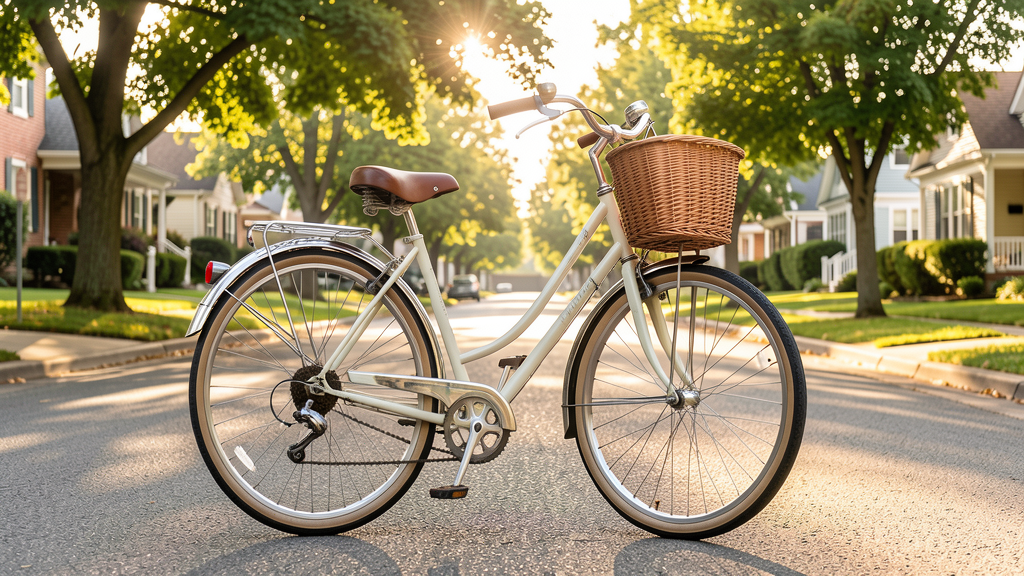
The Schwinn Wayfarer 7-Speed is probably the most recognizable retro commute bike on the market. Schwinn nailed the vintage vibe here—curved fenders, sweeping handlebars, and a classic step-through frame that makes getting on and off effortless. The 7-speed Shimano drivetrain gives you enough range for moderate hills, and the cushioned saddle actually supports longer rides.
- Frame: High-tensile steel step-through
- Speeds: 7-speed Shimano Revoshift
- Brakes: Front and rear alloy linear pull
- Wheels: 26-inch with wide cruiser tires
- Extras: Full fenders, rear rack, kickstand included
Riders consistently praise how this bike feels on paved paths and neighborhood streets. It is not built for aggressive trails, but as a dedicated retro commute bike for paved routes, it is hard to beat at this price. Assembly takes about 30 minutes with basic tools.
2. Sixthreezero Around the Block — Best Step-Through Design
Sixthreezero has built a reputation for cruiser-style commuters that prioritize comfort above all else. The Around the Block series features an ultra-low step-through frame that makes mounting a breeze even in work clothes. The 7-speed version gives you enough gear range for rolling terrain, and the extra-wide tires smooth out cracks and bumps beautifully.
What sets Sixthreezero apart is the customization. You can choose between single-speed, 7-speed, and 21-speed configurations depending on your local terrain. The swept-back handlebars keep you in an upright posture that reduces lower back strain on longer commutes. Owners report these bikes hold up well over multiple seasons with basic maintenance.
3. Firmstrong Urban Lady — Budget-Friendly Option
If you are looking for an affordable entry into the retro commute bike world, the Firmstrong Urban Lady delivers surprising quality for the price. The curb appeal with its balloon tires, painted fenders, and classic tank design makes it a head-turner. The single-speed and 7-speed options mean you can choose the level of complexity that matches your route.
The trade-off at this price point is component quality—expect basic brakes and shifters that get the job done but lack the refinement of premium brands. Still, for casual commutes under five miles, this bike punches well above its weight class.
Retro Commute Bike vs. Modern Commuter — Which Is Right for You?
This is the question I hear most often. A modern aluminum commuter bike will be lighter and faster. A retro commute bike will be more comfortable, more stylish, and easier to maintain. The retro choice makes sense if:
- Your commute is under 8 miles each way
- You value comfort and style over speed
- You want a bike that does not require special tools for basic maintenance
- You plan to ride in regular clothes rather than cycling gear
If your commute involves steep hills or you need to cover 10+ miles, look at a modern hybrid or even an electric option. For those considering a city bike alternative, our ZUKKA Vera comparison looks at how modern city bikes stack up in 2026. But for the majority of American commuters—short to moderate distances on paved roads—a retro commute bike is not just a style choice. It is a practical one.
Essential Accessories for Your Retro Commute
Once you have your bike, these accessories make the daily commute safer and more convenient:
- Helmet: A retro-styled helmet that matches your bike’s aesthetic. Modern safety standards matter more than looks, but there are options that do both.
- Lock: A sturdy U-lock is non-negotiable. Cable locks are convenient for quick stops but should not be your primary security.
- Lights: USB-rechargeable front and rear lights. Even if you only ride during the day, lights improve your visibility to drivers significantly.
- Pannier Bag: A waterproof pannier keeps your laptop and lunch dry while eliminating back sweat from a backpack.
Maintenance Tips for Your Retro Commute Bike
Keeping your retro bike in good shape is straightforward. The steel frame means you need to watch for rust—store it indoors or under a cover if you live in a wet climate. Lubricate the chain every two weeks if you ride daily, and check tire pressure weekly. Brake pads on caliper brakes wear faster than disc pads, so inspect them monthly.
One thing I learned the hard way: if your retro commute bike has a coaster brake (pedal backward to stop), give yourself a few rides to adjust. The muscle memory from hand brakes takes about a week to unlearn.
Final Verdict
The best retro commute bike is the one that fits your body, your route, and your budget. The Schwinn Wayfarer 7-Speed remains my top recommendation because it nails the balance between authentic vintage styling and modern reliability. The step-through frame, included accessories, and proven Shimano drivetrain make it a bike you can ride daily without frustration.
Take the time to test ride if you can. Pay attention to how the bike feels when you are fully dressed for work—the step-through height, the handlebar reach, and the saddle comfort matter more than any spec sheet. A retro commute bike should make you look forward to the ride, not dread it. When you find the right one, you will.
